05/23/2026

Toward a Journey for Ethical and influential Professional.
Rezaul Karim Chowdhury | Published: 2025-12-23 16:06:07
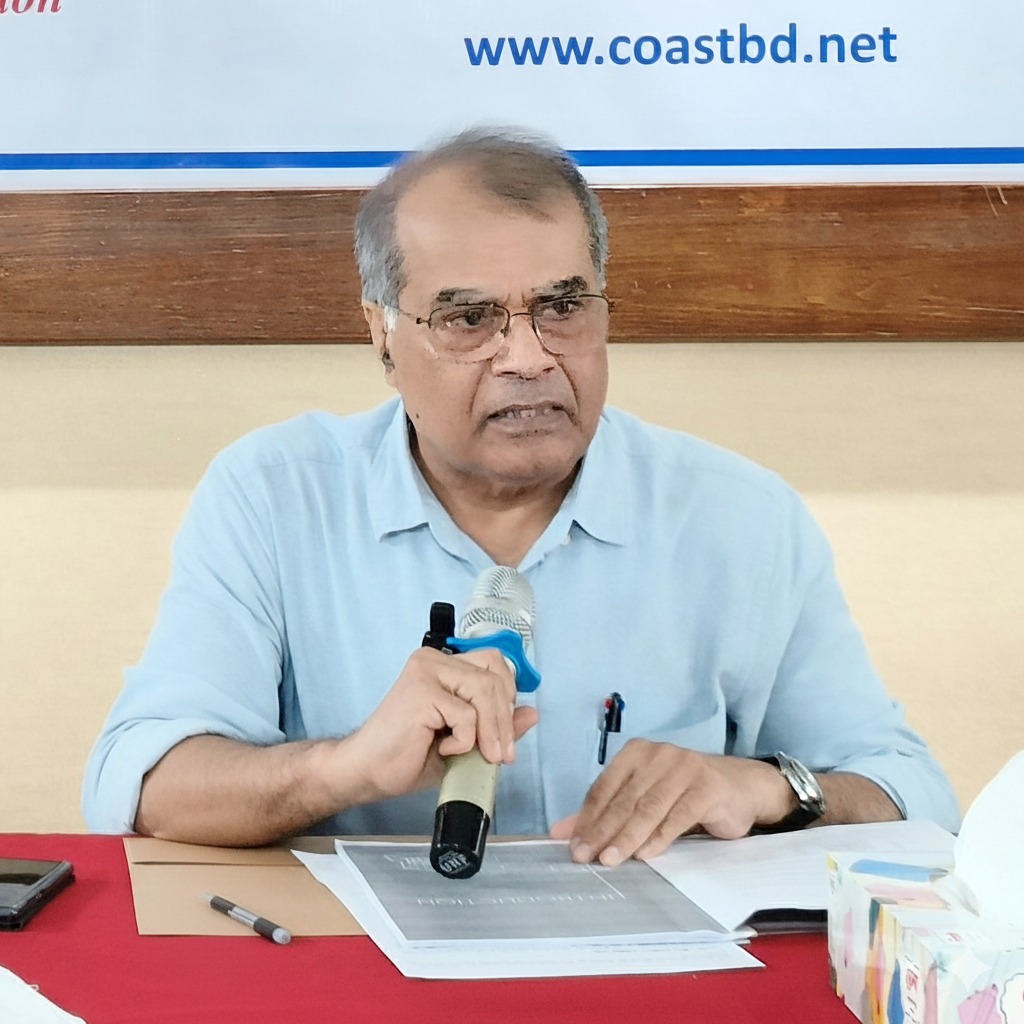
Today, December 23, I read a news report in the daily Banik Barta titled— "Skills of Bangladeshi graduates are very low." The report used reference to the 'QS World Future Skills Index 2025'.
This report makes some general assumptions at wholesale rates; Bangladeshi graduates are given proficiency scores of around 40, while graduates from the UK, US and Germany are given the highest scores. I may have a different interpretation of this, but I am not writing it now.
The authors of the report and the relevant research institutes have emphasized the need to allocate resources for research at the higher education level. According to their data, 28 out of every 100 graduates in Bangladesh are highly educated. A large portion of our highly educated people come from the national universities.
I have been working in the non-profit NGO and microfinance (MFI) sector for over four decades, running 'Microfinance Plus' programmes on a sustainable basis. Institutions in this sector, including my own, spend a lot of money on classroom training and try to provide on-the-job training through 'Support Supervision'.
My understanding is that there is a great lack of culture in our families and educational institutions to develop an ethical and influential professional. Sometimes I feel that "consumerism" and "internet addiction" are drowning us. Investment in research in universities and educational institutions can modernize us and provide opportunities for innovation. But in my opinion, becoming an "ethical and influential professional" is primarily a behavioral matter, which should start with the family and parents. In this regard, I would like to share some important messages:
Time planning and control
This is a basic thing. If you go to a family in Europe, you will see their daily and annual planning charts in the kitchen. I have seen many graduates who make promises, but do not write them down in their diary or daily, weekly, monthly or annual planning sheets.
Punctuality
This is the next priority. Think twice before making any promises; ask your supervisor for extra time if possible. Then complete the work at any cost and inform your supervisor about the progress of the work from time to time. Many times professionals fail to do the work, or even do not provide information—which damages the overall productivity chain of the organization. There is a big condition of international advertising—"The professional must be able to maintain the time limit or deadline."
Teamwork
Many young professionals can do a good job individually, but whenever they are put in a team, they start complaining about others. Nowadays, good organizations are emphasizing on team assignments or productions. Teamwork enhances personal human relations, socialization and adaptability.
Intercultural and inter-institutional simple perspective
It is now an essential culture that your organization may send you to work with another organization or agency. From the very beginning of your professional development, you need to be trained to adapt to inter-organizational and inter-cultural situations. Ask your colleagues to network at a professional level, which will also serve as a source of knowledge for them.
Currently, many Bangladeshis are working abroad, they need to learn from and enjoy the different culture and lifestyle. I sometimes tell my colleagues that just as you need to go to a five-star hotel in a suit and boots to impress policymakers, you also need to have the mindset of going to the "battala" to meet farmers and microfinance clients.
Regret mindset
Self-esteem or ego may be necessary, but most fresh graduates suffer from excessive ego and ambition. Over time, when they face reality, they realize that this ego is becoming an obstacle to their career. People with this ego do not have a mindset of regret; they do not want to admit mistakes or correct them. Some religions have shown a wonderful path to regret. I would advise professionals to take an experienced and successful senior as a "mentor". Organizations should also advise employees in this regard.
Public opinion formation vs. political provocation
It is normal to have differences of opinion. You have a "boss" who has the authority to make decisions. It is his responsibility to take your opinion, but many times it does not happen. You should positively encourage the boss to take your opinion, but your approach should not be such that you are politically organizing others against the boss. Your approach should always be "non-threatening". Accept differences and understand that the boss also suffers from insecurity at times or is not as aware of modern knowledge and management. Sometimes your boss may suffer from "brain fog" or mental ambiguity, you need to be sympathetic to his mental stress. Most of the time, top executives have to go through a lot of mental stress.
Brain rot and digital detox
Finally, you should study these two modern words. It is necessary to stay away from internet or social media addiction, reduce screen time and increase face-to-face communication and family time. "Brain rot" means the loss of creativity, ability to predict and control mood due to excessive screen time. And "Digital Detox" is the process of increasing direct contact with people while staying away from addiction.
Civic sense and physical fitness
When you go to someone's house, the host may have turned on the TV, but he or she may not realize that you are here to talk to them. On the bus, you will see 90% of the passengers are glued to their mobile phones, or someone is listening to music loudly without headphones, which disturbs others. Sometimes we also have to train our new colleagues on how to use the toilet or how to get rid of bad breath. When you add morning exercises or evening walks to the training, many may think you are an 'army person'; but maintaining physical fitness is very important.
At our institution, we believe that we are creating professionals not only for our organization, but for the entire Bangladesh and the world—who are physically fit, disciplined, productive, and above all, ethical people.
Editor & Publisher : Md. Motiur Rahman
Pritam-Zaman Tower, Level 03, Suite No: 401/A, 37/2 Bir Protik Gazi Dastagir Road, Purana Palton, Dhaka-1000
Cell : (+88) 01706 666 716, (+88) 01711 145 898, Phone: +88 02-41051180-81