05/20/2026

Global Microfinance Banks: Burdening the Poor Instead of Empowering Them
Mustafa Kamal Akanda | Published: 2026-01-17 10:48:49
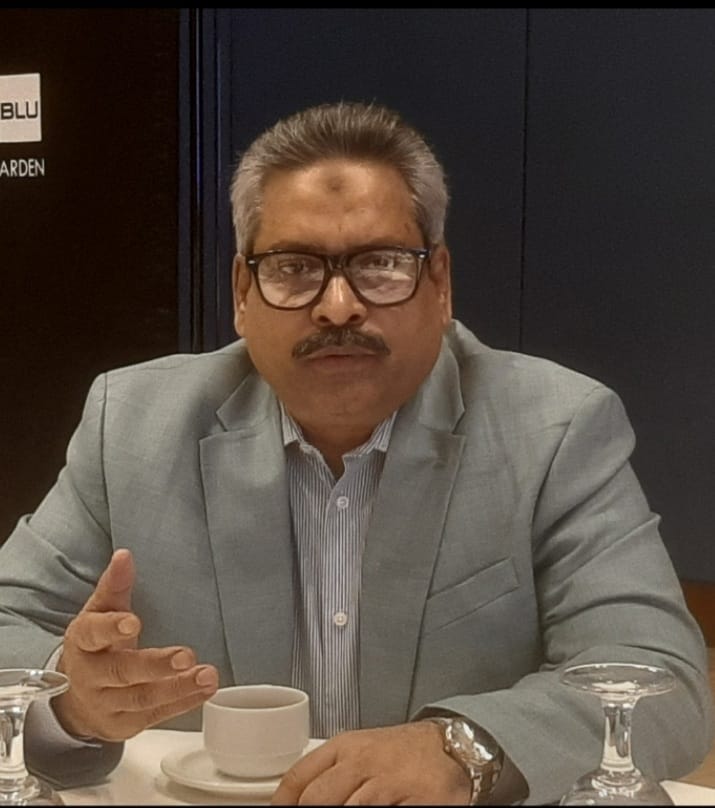
High interest rates, administrative gaps, and limited support are turning microloans into a source of financial stress for the vulnerable worldwide.
Microfinance banks in countries like Pakistan, Afghanistan, and Spain have long been promoted as tools to empower the poor. However, recent observations suggest that, despite creating income opportunities, these institutions are increasingly adding to the financial strain of their borrowers.
Experts warn that without proper coordination and sustainable policies, microloans can exacerbate poverty instead of alleviating it.
Pakistan – Khushhali Microfinance Bank
The bank provides small loans to help families sustain livelihoods. Yet, high interest rates and ineffective business support mean many households struggle under the weight of debt. Regional disparities further intensify these challenges.
Afghanistan – First MicroFinance Bank
Loans are offered for health, education, and micro-enterprises. Political instability and limited administrative capacity hinder effective delivery, leaving many of the poor without meaningful support.
Spain – MicroBank (CaixaBank)
Microloans for self-employment and small businesses are available. But in a developed economy, benefits for the disadvantaged are limited, and income growth is often uneven.
“Even when borrowers increase their earnings, debt burden remains their primary concern.”
Experts highlight that, if microfinance is implemented without proper oversight, high interest rates and weak administration can trap the poor in cycles of debt. International financial policies and corporate interests often shape these frameworks, turning support mechanisms into banking-regulated risks.
In Bangladesh, the introduction of microfinance banks could similarly increase interest burdens, expose weaknesses in administration, and limit social support for small entrepreneurs. Without careful regulation, the goal of reducing poverty could be severely undermined.
Mustafa Kamal Akanda is a seasoned development practitioner and policy analyst with 27+ years of experience in Bangladesh’s NGO and social development sector.
Editor & Publisher : Md. Motiur Rahman
Pritam-Zaman Tower, Level 03, Suite No: 401/A, 37/2 Bir Protik Gazi Dastagir Road, Purana Palton, Dhaka-1000
Cell : (+88) 01706 666 716, (+88) 01711 145 898, Phone: +88 02-41051180-81