Khamenei's Body In Cold Storage Since February
Why Iran fears another funeral disaster as Khamenei awaits burial
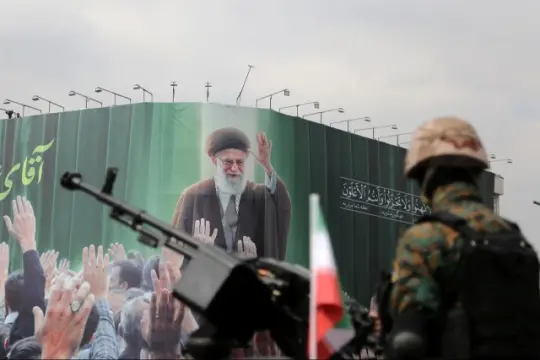
A similar tragedy occurred in January 2020 during the funeral of General Qasem Soleimani in his hometown of Kerman, where a crowd crush killed at least 56 people and injured more than 200, delaying his burial.
Iranian authorities are preparing one of the largest security operations in the Islamic Republic's history ahead of the funeral of former Supreme Leader Ayatollah Ali Khamenei, aiming to prevent a repeat of the deadly crowd crushes that overshadowed the funerals of Ayatollah Ruhollah Khomeini in 1989 and General Qasem Soleimani in 2020.
Khamenei is scheduled to be buried on 9 July following five days of mourning ceremonies across Iran and Iraq. His body will lie in state for three days at Tehran's Mosalla prayer complex before a funeral procession through the capital.
The remains will then be transported to the Shia holy cities of Najaf and Karbala in Iraq before returning to Iran for ceremonies in Qom and final burial at the Imam Reza shrine in Mashhad, his birthplace.
Authorities have yet to announce who will lead the funeral prayer, one of the ceremony's most symbolic moments. While speculation has centered on Khamenei's son, Mojtaba Khamenei, officials have provided no indication that he will take on the role.
Iranian officials say crowd management and security will be their highest priorities. Gholamhossein Mozaffari, governor of Razavi Khorasan Province, said helicopters could be deployed during parts of the procession to help monitor crowds and ensure the safe transport of the coffin, though it remains unclear whether the measure will be used nationwide or only in Mashhad.
The extensive preparations have been shaped by painful lessons from previous state funerals. During Ayatollah Ruhollah Khomeini's funeral in June 1989, hundreds of thousands of mourners surged toward the coffin, overwhelming security forces, damaging the casket and forcing authorities to evacuate the body by helicopter before postponing the burial. Scores of people were injured, and several were believed to have died, although no official casualty figure was released.
A similar tragedy occurred in January 2020 during the funeral of General Qasem Soleimani in his hometown of Kerman, where a crowd crush killed at least 56 people and injured more than 200, delaying his burial.
With millions of mourners expected and ceremonies spanning several cities in two countries, Iran is undertaking an unprecedented logistical and security effort. Earlier this week, Foreign Minister Abbas Araghchi visited Baghdad to coordinate arrangements with Iraqi officials for the cross-border funeral procession.
The delay in Khamenei's burial has also prompted questions about how his remains have been preserved. Islamic tradition generally encourages prompt burial and discourages chemical embalming. However, experts say refrigerated cold storage—rather than embalming—is the most likely method being used.
Counterterrorism expert Dr Mohammed Omar told Fox News Digital that Shia law permits delayed burial and refrigerated preservation under exceptional circumstances, particularly when security concerns are involved. He noted that Iran's forensic facilities are equipped to preserve bodies for extended periods, making such an arrangement both practical and consistent with religious and legal provisions.
Shamiur Rahman