04/18/2026

Hormuz Strait open after Lebanon deal: Iran
Int'l Correspondent | Published: 2026-04-18 01:10:19
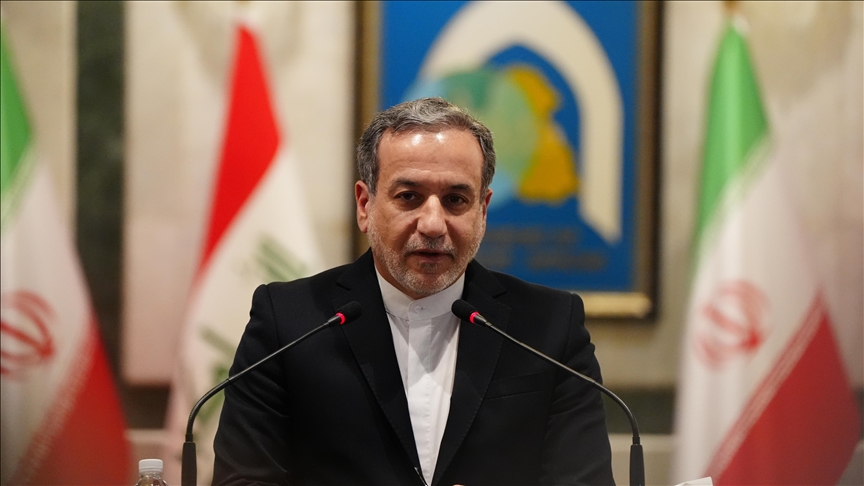
Iranian Foreign Minister Abbas Araqchi said the Strait of Hormuz was open following a ceasefire accord agreed in Lebanon, while US President Donald Trump said he believed a deal to end the Iran war would come "soon", although the timing remains unclear.
Araqchi said in a post on X the Strait was open for all commercial vessels for the remainder of the US-brokered 10-day truce between Israeli forces and Iran-backed Hezbollah agreed between Israel and Lebanon.
He said the passage of ships would need to be along the route that Iran's Ports and Maritime Organisation had announced.
Shortly after Araqchi's statement, Trump posted on Truth Social: "Iran has just announced that The Strait of Iran is fully open and ready for passage."
But statements from both sides left uncertainty over how quickly shipping could resume. Trump said a U.S. blockade of ships sailing to Iranian ports - announced after talks with Tehran last weekend ended without agreement - would remain until "our transaction with Iran is 100% complete".
Iran responded sharply, with Foreign Ministry spokesperson Esmaeil Baghaei warning that Tehran would take "necessary reciprocal measures" if a maritime blockade continued.
Trump told Reuters on Friday the U.S. will work with Iran to recover its enriched uranium and bring it back to the United States as part of any deal to end the war. Tehran's nuclear programme has been a key sticking point in talks so far.
A senior Iranian official told Reuters that differences between the two sides remained, that "no agreement has been reached on the details of the nuclear issues," and serious negotiations were required to overcome differences.
He said Tehran hoped that a preliminary agreement could be reached in the coming days with mediator Pakistan's efforts, with the possibility of extending the ceasefire to "create space for more talks on lifting sanctions on Iran and securing compensation for war damages."
U.S.-Israeli strikes on Iran began on February 28, triggering Iranian attacks on Gulf neighbours and reigniting the Israel-Hezbollah conflict in Lebanon. A two-week ceasefire between the U.S. and Iran expires next week.
Thousands have been killed and the conflict effectively shut the Strait of Hormuz - through which a fifth of the world's oil and liquefied natural gas usually transits - threatening the worst oil shock in history.
Oil prices CLc1, LCOc1 fell by about 9%, extending earlier losses, following Araqchi's post.
The International Monetary Fund this week lowered its forecasts for global growth and warned the global economy risked tipping into recession if the conflict was prolonged.
Editor & Publisher : Md. Motiur Rahman
Pritam-Zaman Tower, Level 03, Suite No: 401/A, 37/2 Bir Protik Gazi Dastagir Road, Purana Palton, Dhaka-1000
Cell : (+88) 01706 666 716, (+88) 01711 145 898, Phone: +88 02-41051180-81