
- International /
- The defeated party cannot impose conditions: Iran to Trump

Staff reporter
Published:2026-04-22 17:58:43 BdST
The defeated party cannot impose conditions: Iran to Trump
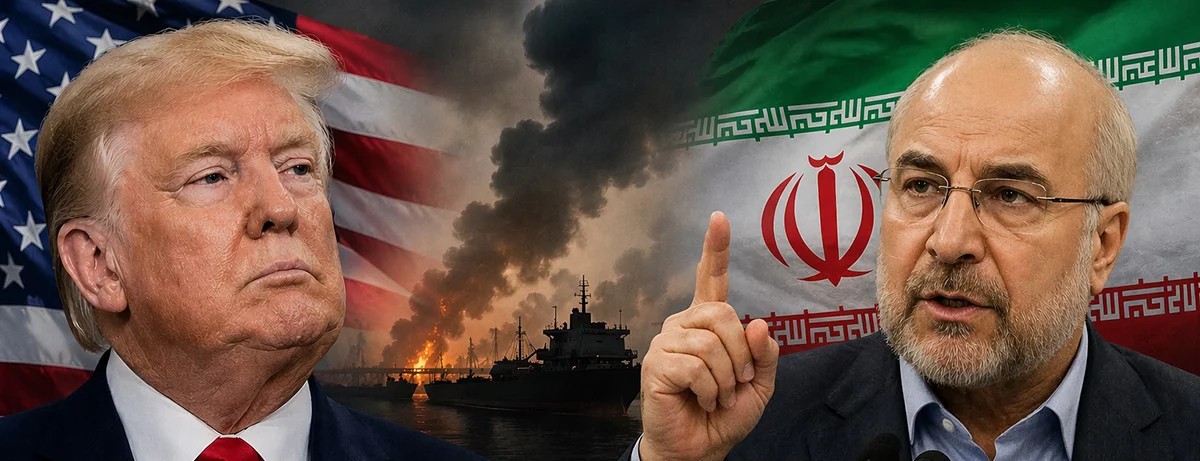
Mahdi Mohammadi—a senior advisor to Iranian Parliament Speaker Mohammad Bagher Ghalibaf—issued a scathing rejection of U.S. President Donald Trump’s decision to extend the two-week ceasefire. In an inflammatory post on X (formerly Twitter), Mohammadi dismantled the diplomatic narrative, labeling the move as a tactical deception designed to facilitate a "surprise attack" rather than a path to peace.
Key Arguments from Tehran’s Leadership
-
The "Defeated Party" Logic: Mohammadi asserted that the United States is operating from a position of weakness. He stated that a "losing side cannot dictate terms," suggesting that the U.S. is attempting to save face through unilateral announcements while Iran maintains the strategic upper hand.
-
Blockade as an Act of Aggression: Iran has officially equated the ongoing U.S. naval blockade of its ports to a kinetic military strike. Mohammadi argued that the economic "siege" is "no different from a bombing campaign" and declared that such hostility must be met with a firm military response.
-
The "Buying Time" Allegation: The advisor explicitly warned the international community that the ceasefire extension is a "ploy to buy time for a surprise attack." He suggested that Washington is using the diplomatic window provided by Pakistani mediation to regroup and finalize logistics for a full-scale military strike.
Context: Diplomacy Under Pressure
The ceasefire, originally brokered by Pakistan and set to expire on Wednesday, was extended by President Trump following requests from Prime Minister Shehbaz Sharif and Field Marshal Asim Munir. While the U.S. claims the extension is intended to allow the "fractured" Iranian leadership to present a unified peace proposal, the reality on the ground remains volatile:
| Status of Conflict (April 22, 2026) | Current Situation |
| U.S. Naval Blockade | Active. CENTCOM continues to intercept and turn back vessels entering or exiting Iranian ports. |
| Military Readiness | High. Trump has directed the U.S. military to remain "ready and able" to strike if negotiations fail. |
| Iranian Response | Defiant. The IRGC has reportedly fired on cargo ships in the Strait of Hormuz in retaliation for the blockade. |
| Negotiations | Stalled. Iran has notified Pakistan it will not send a delegation for the second round of "Islamabad Talks" while the blockade persists. |
Strategic Implications
Tehran’s stance indicates that a ceasefire without the lifting of the naval blockade is unacceptable. By labeling the current situation as a "siege," Iran is setting the legal and political groundwork for a potential military breakout. As Mohammadi concluded in his statement, "The time has come for Iran to take the initiative," signaling that the region may be closer to an escalation than a resolution.
Unauthorized use or reproduction of The Finance Today content for commercial purposes is strictly prohibited.