
- National /
- Pets kept in inhumane condition at Mirpur

Shamiur Rahman Lipu
Published:2026-04-18 02:34:35 BdST
Cruelty on displayPets kept in inhumane condition at Mirpur
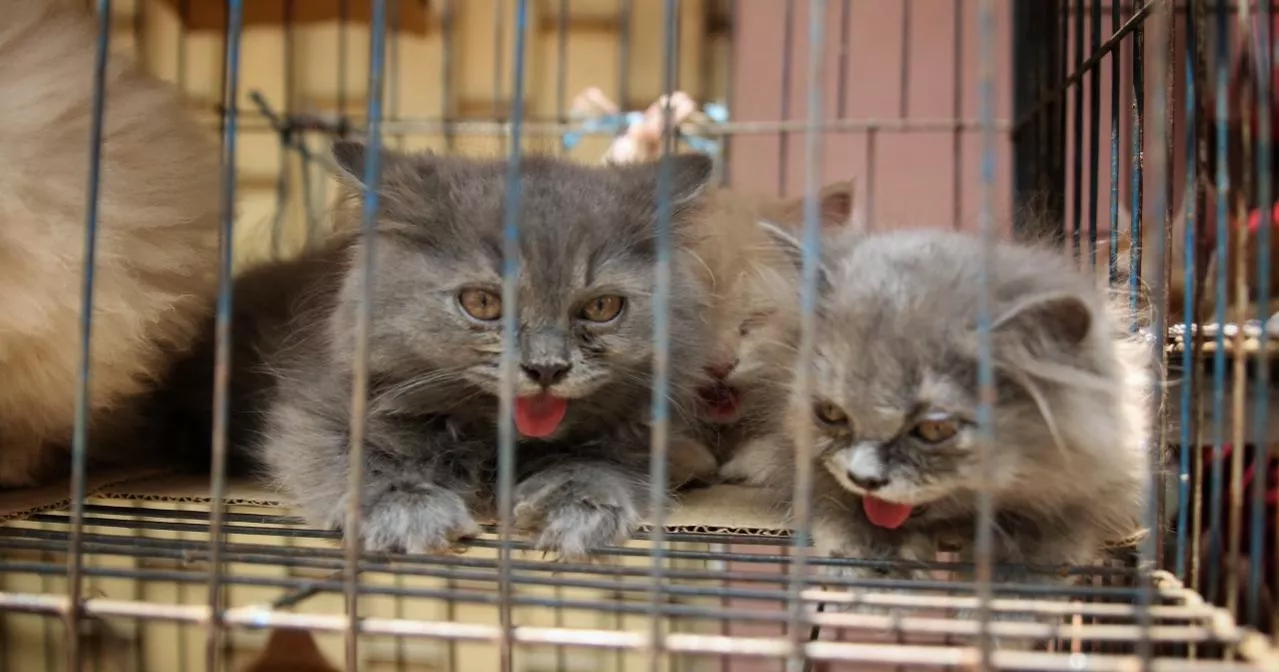
Under the glare of late-morning sun, a row of metal cages rattles as Persian kittens press their noses against the bars. Their fur, meant to shimmer under softer light, now clumps with heat and dust as buyers circle, bargaining over prices while the kittens — panting and confused — wait to be sold.
A disturbing scene of animal cruelty has emerged at a roadside pet market known locally as "Biraler Hat", in a residential area at Mirpur-1 amid intense heat in Dhaka.
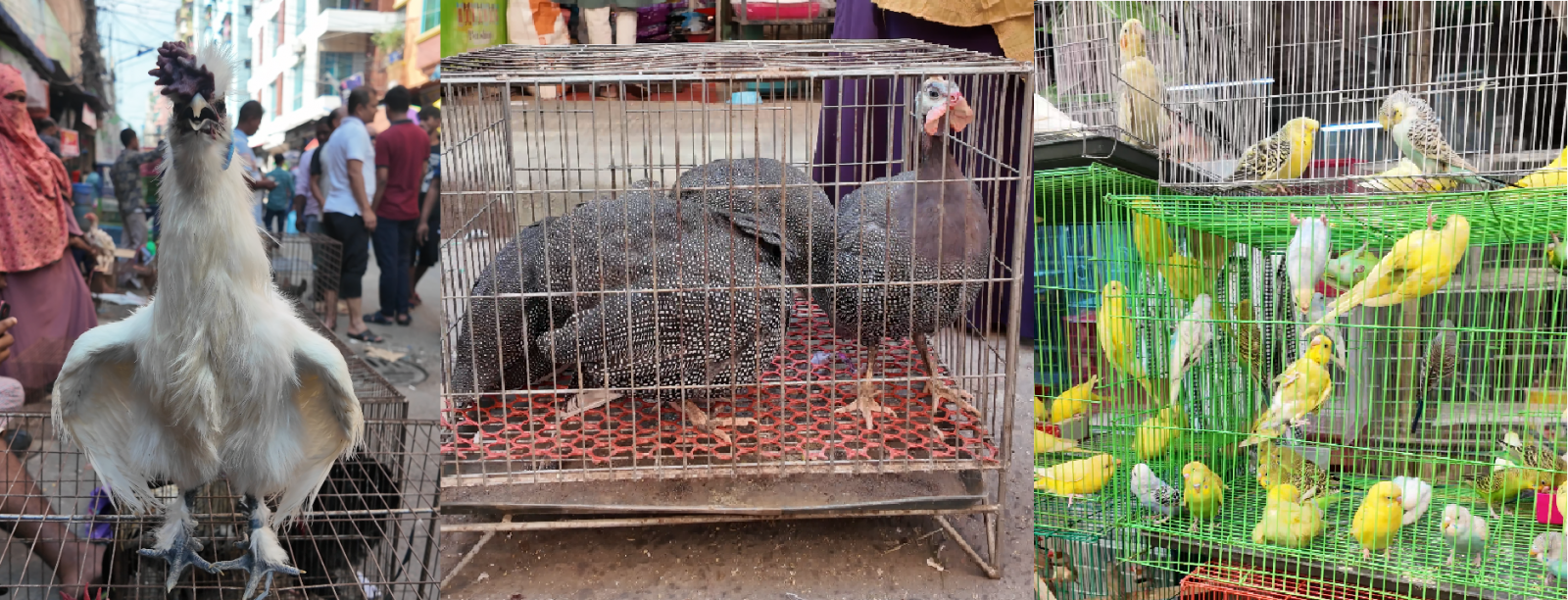
Cats and various birds are being kept in the open for sale in a manner that is not only disorganised but clearly inhumane. Under the scorching sun, the animals are crammed into small cages without adequate shade. In many cases, there is no water and little to no ventilation.
As a result, they face severe discomfort, with risks of heat stress, exhaustion, and illness. The situation becomes even more questionable as the market occupies a road in a residential area.
Keeping animals confined under the open sky during extreme heat is not just poor management—it is a direct form of cruelty, reflecting a deeper neglect embedded within urban life.
According to veterinarian Dr Maruf Hasan, long-term confinement in these harsh conditions carries several health risks for the felines.
"Humid weather is a major factor. They are kept in inhumane conditions. I've noticed these cats often suffer from skin diseases, fungal infections," he said.
Dr Maruf, who is also the owner of Pet Heaven Veterinary Clinic, further said that administering proper food habits and hydration is important for any animal.
The sellers often do not keep track of their water intake, which leads to dehydration and may cause jaundice and kidney issues, he added.
He also noted that these cats are not vaccinated properly, which increases their health risk.
"Without proper vaccination, almost 50% of the time, the cats fall prey to diseases like the flu. If the buyers have other pets at home and introduce unvaccinated pets to the environment, it increases health risks for the other animals as well," he said.
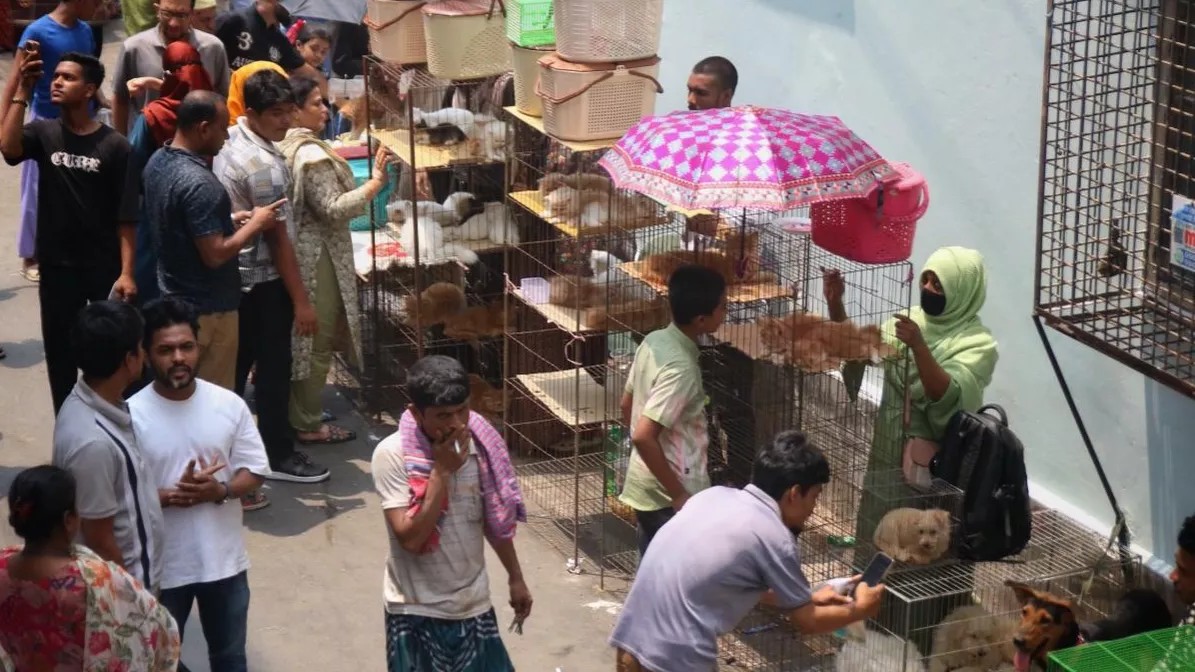
Dhaka’s temperature today is 33°C, with a real feel of 36°C. The photos were taken on Friday (April 17).
The market, located behind Mukto Bangla, originally began as a hub for trading birds, where enthusiasts bought and sold parakeets, finches, and other local species. Over the years, it expanded to include exotic pets, particularly cats, and became one of Dhaka's busiest pet trading hubs.
Sellers often post videos of foreign cat breeds on Facebook, showcasing Persian kittens and other exotic cats, which frequently go viral, attracting hobbyists willing to pay top prices. Today, the market is notorious not just for the high demand but also for the compromised health and welfare of the cats being sold.
"People come here for hobbies, not to give them a proper home," said one seller who requested anonymity, shrugging as he adjusted the cramped cages stacked along the walkway. "They just want a pretty cat, that's all."
The growing trend of pet vloggers collaborating with sellers and promoting animals through social media content raises further concerns about how online influence may be accelerating the trade. In several instances, vloggers offered discounted prices to buyers who mentioned their channel names as referrals.
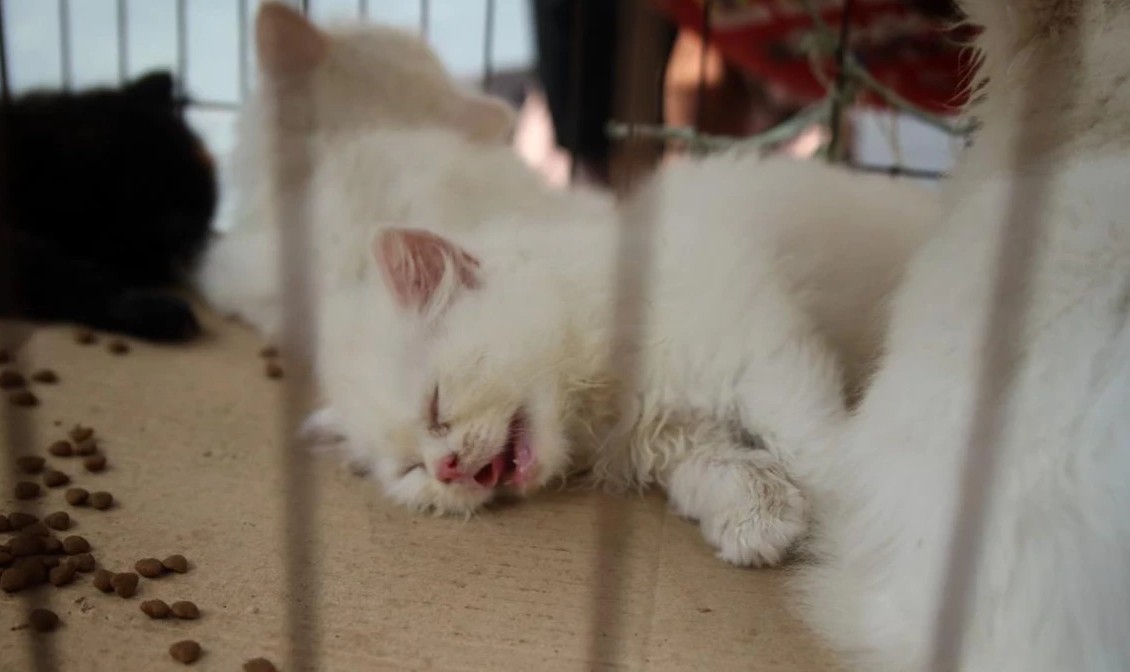
FT Team's today’s visit revealed that conditions at the Mirpur 1 pet market had worsened. Animals are still confined in cramped cages and exposed to harsh environments. This correspondent also noticed a sharp rise in pet vloggers partnering with vendors, driving both demand and visibility. Some vendors claimed that they are making efforts to improve the conditions.
Rakibul Haque, founder of the People for Animal Welfare (PAW) Foundation, said selling animals on noisy, polluted streets is unethical and a direct form of abuse.
Noting that under Section 6 of the Animal Welfare Act 2019, confining or displaying animals in ways that cause pain or restrict natural behaviour is cruelty, he said traders must be strictly regulated.
"Even if animals were sold in a luxury hotel, it would still need to follow regulations," he said stressing the need for national standards on breeding and sales.
"The government must intervene — these practices are illegal and should be stopped through mobile court drives," he added.
Goutom Kumar Biswas, social welfare officer, Dhaka North City Corporation, said, "These roadside markets mostly fall under the Revenue Department and Estate Department. But as far as I know, sometimes our mobile courts conduct eviction drives. They remove these setups. The problem is, after eviction, the vendors just come back and sit again in the same spot."
He added that the officials from the Revenue and Estate departments of the city corporation would be able to explain the issue better.
An ethical dilemma
Purchasing kittens from illegal breeders perpetuates cruelty and neglect, ensuring that more cats are trapped in cages, exposed to the sun, and bred unethically.
Animal welfare advocates urge people to support ethical adoption. Giving a loving home to a stray not only saves a life but also helps curb the demand that drives the trade, reducing the pressure on markets like the one at Mirpur-1.
The consequences are clear: a cycle of suffering for the animals and moral compromise for the buyers.
The cat trading at Mirpur-1 market is a reflection of a larger issue: how supply and demand often prioritise profit over life, pushing innocent creatures into confinement for human amusement or status. Sharing awareness and advocating for adoption are critical steps toward protecting vulnerable animals.
Animal health experts believe that if the trade goes on, the sellers should at least enforce strict health, hygiene, and welfare standards to improve the conditions of the cats.
Disease control is critical — regular veterinary check-ups, vaccinations, and year-round parasite prevention should be mandatory.
Sellers must maintain sanitary conditions, ensure access to clean water, and veterinary supervision to reduce illness, stress, and zoonotic disease risks in traded cats.
Unauthorized use or reproduction of The Finance Today content for commercial purposes is strictly prohibited.